August 3, 2026

What Three Months of Summer Does to a Draft Beer System
Three months of peak season wears a draft beer system down in ways that are easy to miss until they become expensive repair
What Three Months of Summer Does to a Draft Beer System
Memorial Day to Labor Day is the most profitable stretch of the year for most bar and restaurant operators. It is also the stretch that does the most cumulative damage to a draft system that was not built, maintained, or monitored for that level of sustained demand.
By August, your draft beer repair risk is at its highest point of the year. Not because something suddenly went wrong. Because three months of elevated draw volume, peak ambient temperatures, and maximum refrigeration load have been grinding down every component in the system simultaneously. The failures that show up in August were almost always building since June. The operators who catch them now spend a fraction of what the ones who catch them in September will spend.
Here is what three months of summer actually does to a draft system and where to look before the damage becomes a repair call.
Why August Is the Highest-Risk Month for Draft Beer Repair
There is a pattern in commercial draft service that repeats every year without fail. Operators invest in pre-season prep in May. They manage the early summer push. Then August arrives and the focus shifts entirely to operations, staffing, and keeping up with demand. Maintenance slips. Warning signs get rationalized. Equipment that is visibly struggling gets pushed through one more weekend.
August is also the point at which cumulative wear reaches a threshold. A condenser coil that was 20% restricted in June is 50% restricted now after two more months without cleaning. A glycol chiller that was running slightly warm in July is running significantly warm in August after the pump has been working at capacity for weeks. A faucet seal that was wearing in June has now worn through. None of these failures happened overnight. Each one was the logical outcome of sustained load over time.
The difference between an August service visit and an August emergency call is often nothing more than whether an operator noticed a warning sign and acted on it or explained it away and kept moving. Late summer is not the time to keep moving on a system that is telling you something is wrong.
What Peak Season Wear Looks Like Component by Component
Compressor and Condenser Fatigue
A walk-in cooler compressor that has been running extended cycles since June to keep pace with summer ambient heat and door traffic accumulates wear faster than it does during low-demand months. Compressors are designed for cycling, not continuous operation. When ambient conditions force a compressor to run at near-constant load for weeks at a time, the wear curve steepens. By August, a compressor that was healthy in spring may be showing signs of reduced efficiency, longer pull-down times, or inconsistent temperature maintenance that were not present three months ago.
The condenser coil is the first place to look. Three months of summer means three months of outdoor air moving across a coil that is collecting dust, pollen, grease, and debris. A coil that is significantly restricted forces the compressor to work harder to reject heat, which compounds the wear on every other component in the refrigeration circuit. A condenser cleaning in August is not just maintenance. At this point in the season, it is active damage prevention.
Glycol Depletion and Pump Wear
Glycol solution degrades over time. The inhibitor package that protects the system from corrosion and maintains freeze point breaks down with heat exposure and oxidation, and a chiller that has been running hard through a full summer may have glycol that is measurably below its specified concentration by August. Degraded glycol is less effective at holding trunk line temperature, which means the beer warming problems that showed up in July get worse as the season continues.
Glycol pump wear follows a similar curve. A pump that has been circulating fluid continuously since spring is further into its wear cycle than one that has had seasonal downtime. Reduced pump flow shows up as inconsistent trunk line temperature, particularly during high-draw service windows when the system is under maximum load. If your foam problems are worse at the end of a busy shift than at the start, glycol flow rate is worth checking before anything else.
Faucet and Coupler Wear from High Volume
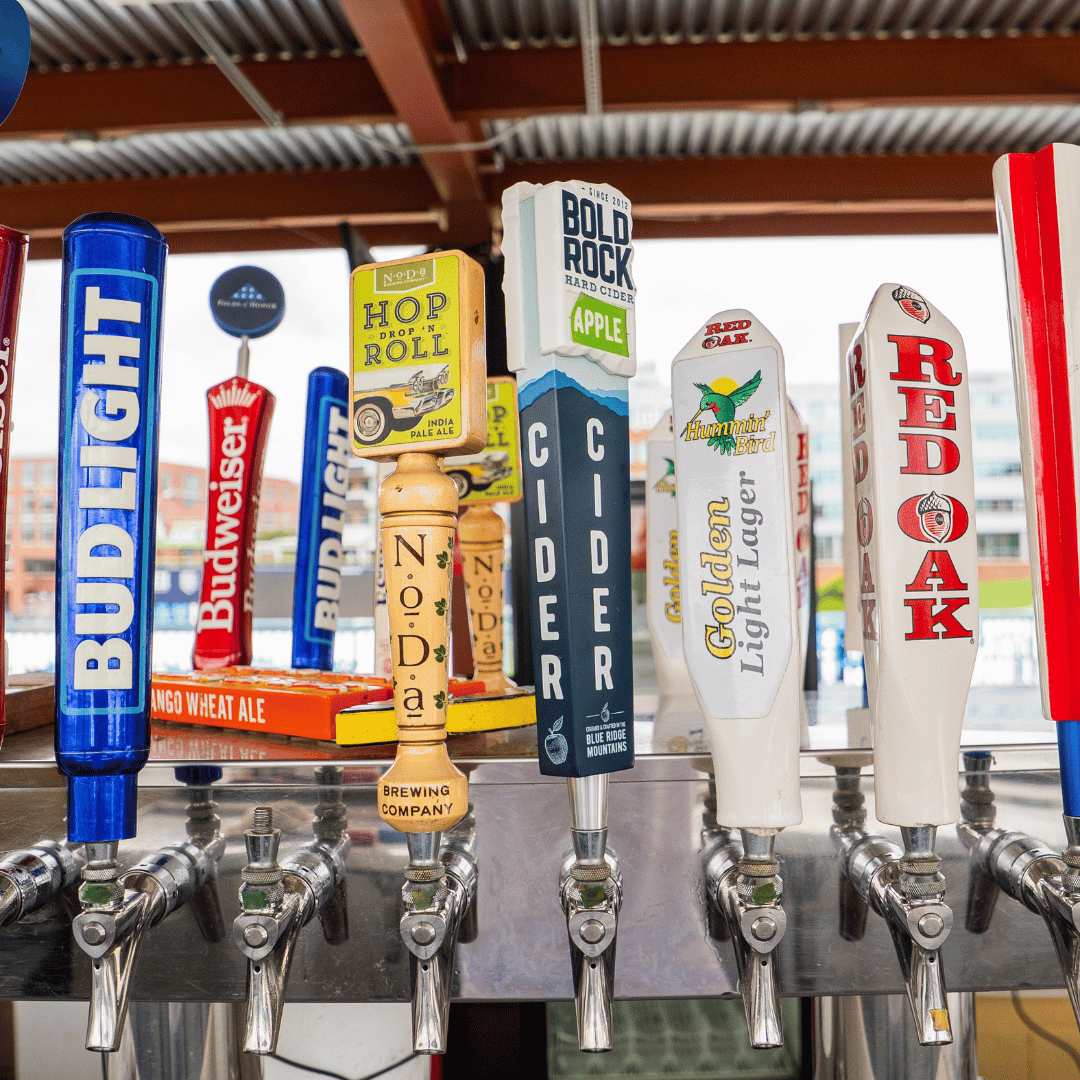
Faucets and couplers are mechanical components that wear in direct proportion to how often they are used. A bar that moves three times the keg volume in summer compared to winter is putting three times the wear on every faucet handle, seal, and coupler mechanism in the same period. By August, faucets that were in good condition in May may be dripping between pours, sticking on open, or pouring with inconsistent flow that points to internal seal wear.
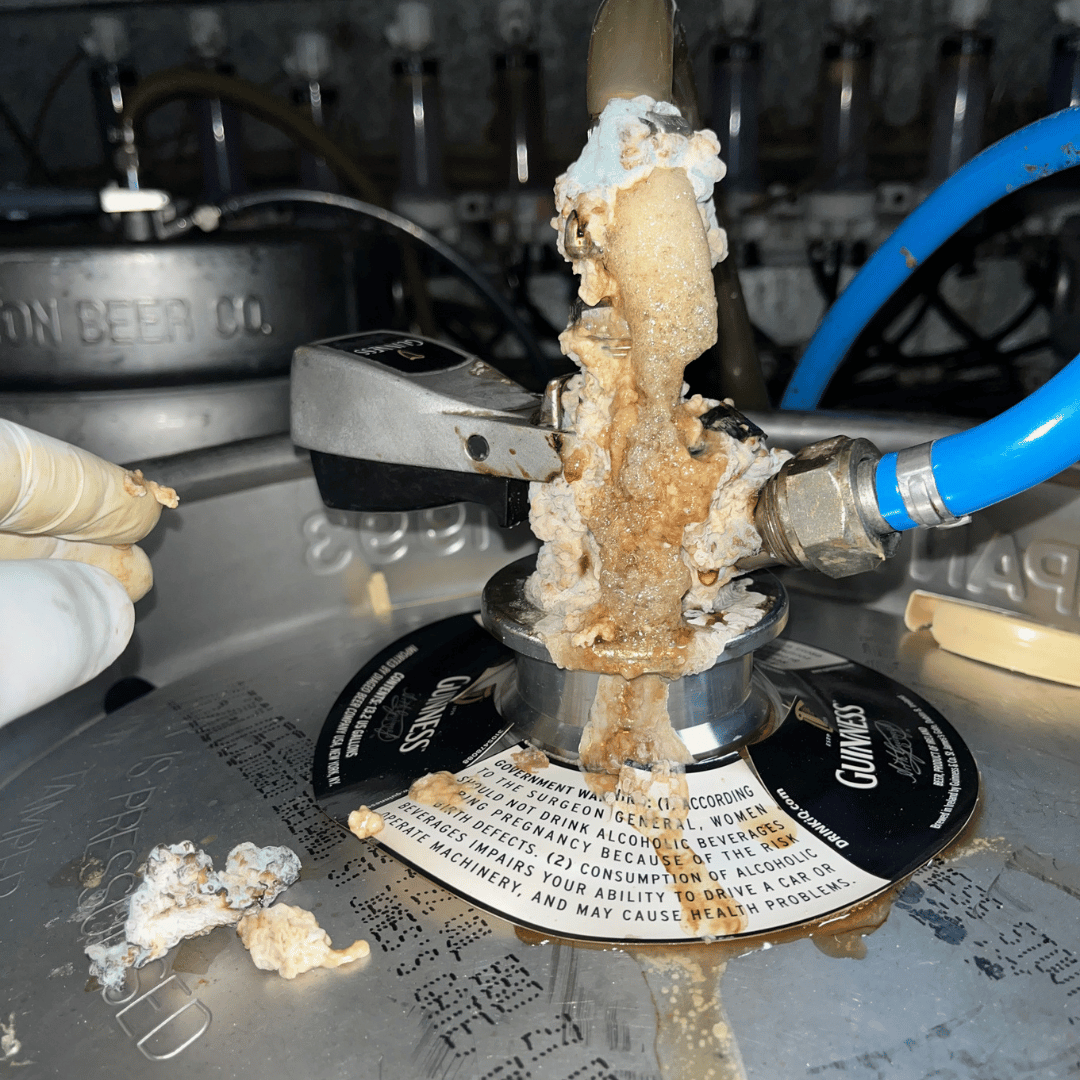
Couplers that have connected and disconnected dozens of kegs since spring are accumulating wear on o-rings and seating surfaces. A coupler that is not seating fully creates a slow leak that wastes CO2, destabilizes pressure, and produces inconsistent carbonation in the keg. Inspecting and servicing couplers as part of an August check catches this before a failing seal becomes a service disruption during a weekend shift. A scheduled mid-season maintenance visit covers this as standard practice.
CO2 Regulator Drift
Regulators are precision instruments that hold a set pressure against a variable input. After months of high-volume use, temperature cycling, and vibration from adjacent equipment, regulators drift from their set point. The drift is usually gradual enough that no single shift reveals a problem, but the cumulative effect across a full summer can leave a regulator delivering meaningfully different pressure than what it was set to in spring. Verifying regulator accuracy in August with a calibrated gauge takes minutes and eliminates one of the more common sources of unexplained pour inconsistency in late summer.
The Warning Signs That Are Easy to Explain Away in August
Operators in the middle of their busiest month are not looking for reasons to slow down. Warning signs that would prompt a service call in October get rationalized in August because the business is running, the revenue is coming in, and there is no obvious crisis yet. That rationalization is exactly how marginal equipment makes it to a failure point instead of a maintenance point.
A cooler that is taking longer to pull down after a busy Friday is easy to attribute to door traffic. A tap that is foamier in the second half of a shift than the first is easy to attribute to a warm keg. A faucet that drips occasionally is easy to live with when everything else is moving. Each of these individually is worth investigating. Together, they are a draft system communicating clearly that it has been under sustained load for three months and needs attention.
The most expensive draft beer repair calls in late summer are almost always for problems that announced themselves in July and got pushed through August. The equipment is rarely subtle about what it needs.
Draft Beer Repair Near Me: Why Mid-Season Timing Changes Your Options
Searching for draft beer repair near me in August puts you in a different position than the same search in November. Service providers are managing high demand across their full account base, emergency calls are competing for the same technician availability, and the cost of an unplanned repair during peak season always runs higher than scheduled maintenance. The window between a warning sign and a failure is shorter when equipment is under sustained load, and August is the month when that window is smallest.
Operators who have a standing service relationship with a provider are in a significantly better position at this point in the season. A provider who knows your system can assess a warning sign over the phone, prioritize a visit based on actual risk, and often catch a developing issue before it requires emergency-level response. If you do not have that relationship and your system is showing signs of mid-season wear, establishing it now rather than waiting for a failure is the more economical path. See CBG's maintenance and repair services for what a mid-season check covers.
What a Mid-Season Draft Beer System Check Should Include
An August system check is not a full installation audit. It is a targeted assessment of the components most likely to show wear after three months of peak operation. Condenser coil condition and refrigerant levels on the walk-in. Glycol concentration, pump flow rate, and chiller performance under load. Faucet and coupler condition on the highest-volume taps. Regulator accuracy across all gas zones. Line condition on any tap that has shown foam or flavor inconsistency.
The goal is not to find everything that could eventually need attention. It is to find the things that are currently marginal and likely to cross into failure territory before the end of the season. Most mid-season checks surface one or two items that warrant immediate action and several that can be documented for fall maintenance. That triage approach keeps the immediate cost manageable while ensuring nothing critical is left unaddressed heading into Labor Day weekend, which for many operations runs close to 4th of July in terms of single-weekend volume.
The Master Brewers Association of the Americas maintains technical guidance on draft system maintenance standards, including component inspection criteria, that provides a useful baseline for what a thorough mid-season check should cover.
If your draft system has been running hard since Memorial Day and has not had a mid-season check, CBG Draft Services provides targeted draft beer repair and maintenance across North and South Carolina. We assess what three months of summer has done to your system, address what needs immediate attention, and document what to plan for in the fall. Schedule before Labor Day weekend, not after it.
Book a Mid-Season System Check
Or call us at (704) 727-3300 — Mon–Fri, 8am–4:30pm EST