September 22, 2026

Adding Seasonal Taps Is Not Just a Menu Decision
Rotating your tap list for Oktoberfest season is a system decision, not just a menu one.
Adding Seasonal Taps Is Not Just a Menu Decision
Every September, bar and restaurant operators start rotating summer taps off the list and bringing fall seasonals on. Most of them treat it as a purchasing decision. The ones who have done it a few times know it is a system decision first.
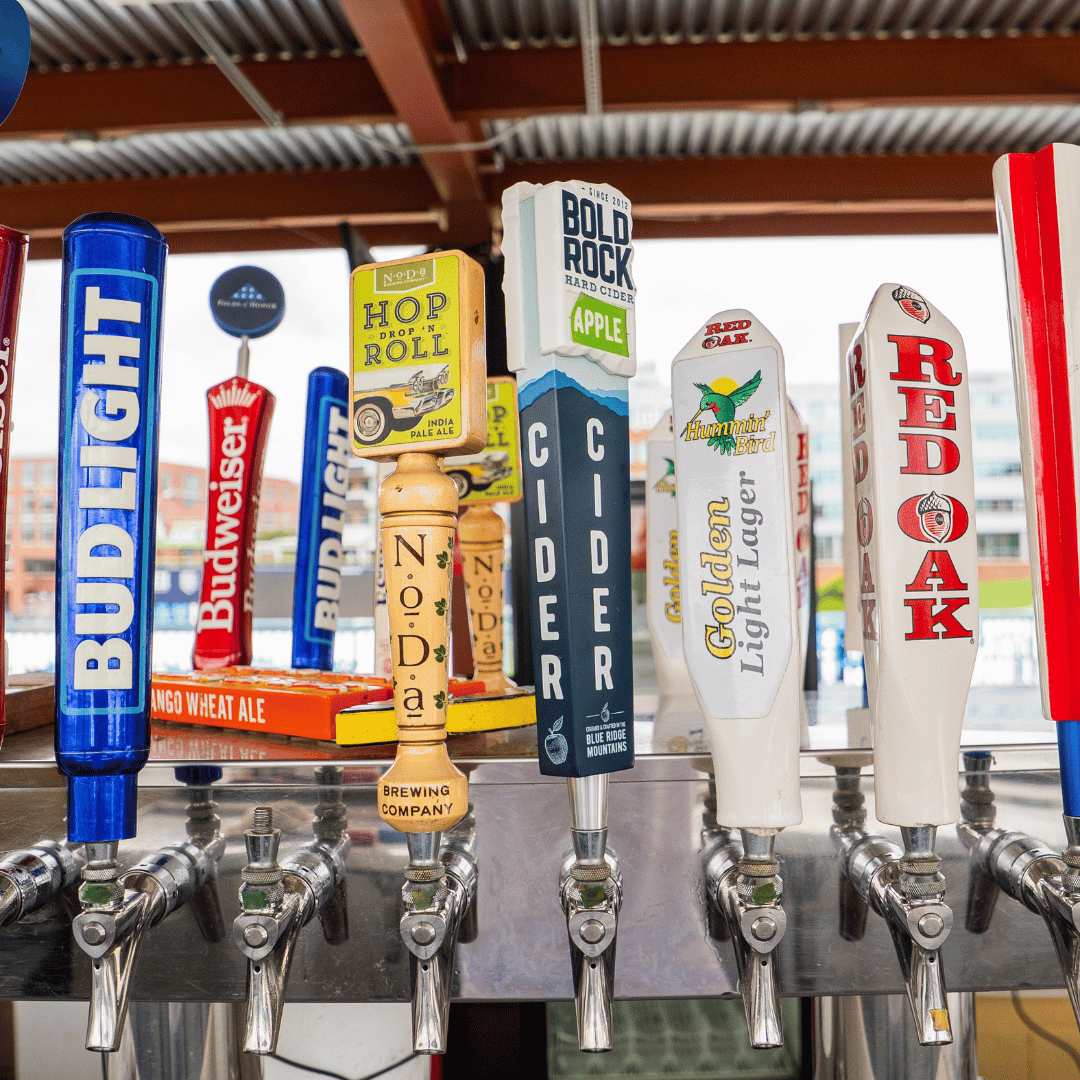
Oktoberfest märzens, festbiers, dunkelweizens, harvest IPAs, and the first wave of fall nitro stouts all have different serving requirements than the summer taps they are replacing. When a draught beer installation was not designed with seasonal flexibility in mind, those differences show up immediately in pour quality and take time to dial in correctly, if they ever get fully dialed in at all. The operators who handle seasonal changeovers cleanly are the ones who understand what the transition actually involves before they order the kegs.
Here is what changes when you rotate your tap list for fall, why it matters technically, and what separates a system built to handle it from one that is not.
What Fall Seasonal Beers Demand That Summer Taps Do Not
Summer draft programs lean heavily on lagers, wheat beers, light ales, and seltzers, all relatively high-carbonation styles served cold and poured on CO2. Fall seasonal rotations introduce styles with meaningfully different serving profiles, and running them on the same settings as the beers they replaced produces results that do not represent the beer accurately.
Märzens and Festbiers
Traditional Oktoberfest märzens and festbiers are lager-style beers with moderate carbonation, typically between 2.4 and 2.7 volumes of CO2, and a serving temperature slightly warmer than a domestic lager, usually in the 38 to 42 degree range. The flavor profile of a well-made märzen is malt-forward and relatively subtle. Over-carbonation from incorrect pressure settings or beer served too cold suppresses that malt character and produces a thinner, sharper pour than the style calls for. Getting the serving conditions right requires adjusting both the CO2 regulator and confirming that the cooler temperature is appropriate for the style, not just for what was on tap in July.
Dunkelweizens and Dark Lagers
Dunkelweizens carry higher natural carbonation than most lager styles, closer to 3.5 to 4 volumes of CO2, and are served slightly warmer than standard lagers. Pouring a dunkelweizen at lager pressure and temperature produces excessive foam from the beginning of the keg through the end. Dark lagers like schwarzbiers sit closer to standard lager specs but have flavor profiles that are more sensitive to line contamination than the lighter summer styles that preceded them. A tap changeover that does not include a full line cleaning before the new style goes on is setting the seasonal beer up to carry flavors it did not come with from the brewery.
Nitro Stouts and Fall Nitro Additions
Fall is when nitro stouts return to draft programs in volume. If your system does not currently have a mixed gas line installed, adding a nitro stout tap is not a handle swap. It requires a nitrogen or mixed gas source, a dedicated regulator, and a faucet specifically designed for nitro pours. Attempting to pour a nitro stout on a standard CO2 faucet produces a flat, poorly conditioned pint that bears no resemblance to what the style is supposed to deliver. For operations adding nitro for the first time this season, the infrastructure question needs to be answered before the keg is ordered, not after it arrives. See what a nitro tap addition actually involves from a system standpoint.
How to Install Draft Beer System Changes for a Seasonal Rotation
Understanding how to install draft beer system changes for a seasonal tap rotation means thinking through the transition systematically rather than tap by tap. Each style coming onto the list has requirements that need to be confirmed against current system configuration before the first keg connects. Pressure, temperature, gas type, and line condition all need to align with what the new style needs, not what the previous one used.
Line Flushing Between Rotations
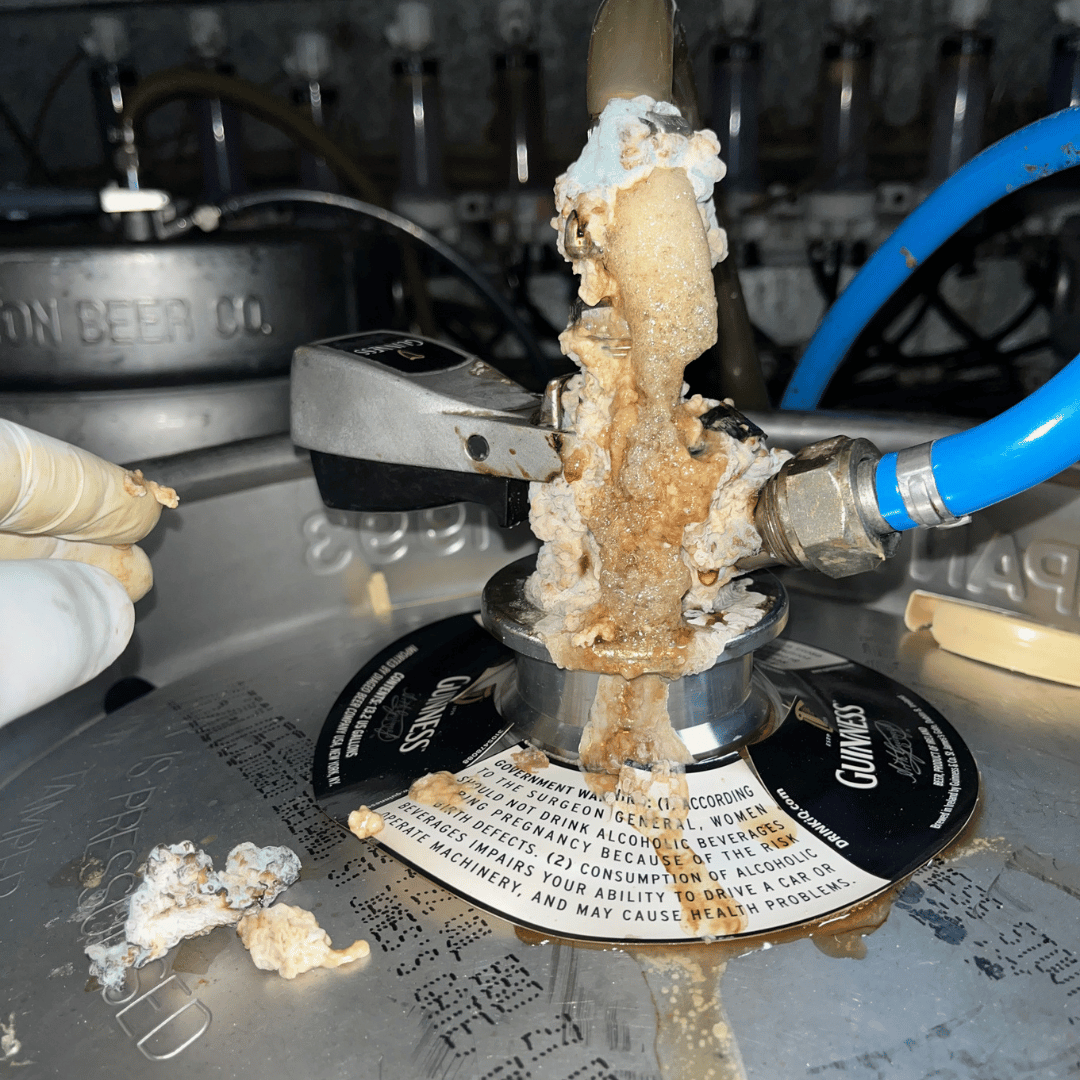
Every tap changeover should begin with a thorough line cleaning before the new style is connected. A line that spent the last two months running a heavily hopped summer IPA carries hop resin and protein residue that will flavor the first portion of any seasonal beer poured through it. The cleaner the handoff between styles, the more accurately the seasonal beer represents itself from the first pour. Skipping the cleaning step between rotations is one of the more common reasons a new tap does not perform well in its first week on the list.
Pressure and Temperature Reconfiguration
Replacing a tap with a style that has different carbonation requirements means resetting the regulator for that zone to the new style's balanced pressure at its serving temperature. This calculation involves the carbonation volume of the specific beer, the serving temperature, and the line length and diameter. Running a märzen at the same pressure as the West Coast IPA it replaced will either over or under carbonate the beer, depending on which direction the requirements differ. Dialing this in correctly at the start of the season saves the time spent adjusting through the first few kegs.
Coupler and Faucet Checks
Seasonal rotations are a natural point to inspect every coupler and faucet that is being put back into service with a new style. Couplers that have been connecting and disconnecting kegs through a full summer have wear on their seals and o-rings that may not have caused obvious problems with a high-turnover summer tap but will affect consistency on a seasonal beer that moves more slowly. Faucets should be disassembled and inspected at each changeover. A faucet seal that was marginal in August is a more visible problem when a fall seasonal is poured through it in September.
What Draught Beer Installation Companies Do at Changeover Time
The seasonal changeover period is one of the most revealing tests of whether an operator has the right service relationship behind their draft system. Draught beer installation companies with genuine expertise treat seasonal changeovers as a technical event, not just a menu update. They know which new styles require system adjustments, which existing configurations will work without modification, and which planned additions require infrastructure changes that need to happen before the seasonal keg arrives.
An installation company that stays engaged with its accounts through seasonal transitions provides a different kind of value than one that built the system and moved on. Pre-changeover consultation means the pressure settings, line cleaning, and any infrastructure needs are addressed proactively. Post-changeover follow-up confirms that each new style is performing correctly and that any adjustments from the initial setup are caught quickly. Operators who manage seasonal transitions with that kind of support spend considerably less time troubleshooting than those handling it independently.
If you are evaluating draught beer installation companies for a new build or an upgrade, ask specifically how they handle seasonal changeovers for existing accounts. The answer tells you a lot about whether the relationship ends at installation or continues through the operational life of the system. The Brewers Association Draft Beer Quality Manual covers seasonal style serving specifications in detail and is a useful reference when confirming whether your system settings are correctly matched to the styles coming onto your fall list.
When a Seasonal Addition Requires a System Modification
Not every seasonal tap addition can be handled with a pressure adjustment and a line cleaning. Some additions require changes to the system infrastructure that need to be planned and executed before the new style can pour correctly. Nitro tap additions are the most common example, but they are not the only one.
Adding a style with significantly higher carbonation than anything currently on the list may require a dedicated secondary regulator for that tap if the existing zone pressure cannot be set high enough without affecting adjacent taps. Adding a tap to a line run that was not part of the original installation requires new line, proper insulation into the glycol bundle, and a faucet and shank installation that meets the same standard as the rest of the system. Trying to add a tap by extending an existing line without going through the glycol trunk produces a warm spot that will foam regardless of how well everything else is configured.
The right time to identify these infrastructure needs is before the seasonal beer is ordered, not after the keg is sitting in the cooler. A pre-season consultation with a service provider who understands your system covers this as a matter of course and keeps the changeover on schedule rather than turning it into a repair project. CBG's team can assess whether your planned seasonal additions require system changes before you commit to the tap list.
If your fall tap rotation includes new styles, new additions, or a nitro tap you have been putting off adding, CBG Draft Services handles seasonal tap installations, system modifications, and changeover line cleaning for bars, restaurants, and taprooms across North and South Carolina. Get the transition right before Oktoberfest season is underway, not while you are troubleshooting it.
Talk to Us About Your Fall Tap Rotation
Or call us at (704) 727-3300 — Mon–Fri, 8am–4:30pm EST