November 13, 2026
What Actually Happens During a Draft Beer Installation?
See what happens during draft beer installation, from site review and equipment placement to system testing before opening.
What Actually Happens During a Draft Beer Installation?
A clear look at what a professional draft beer installation includes, from the first walkthrough to the final test pour.
Draft Beer Installation Is More Than Putting Taps on a Bar
A professional draft beer installation is not someone showing up with a tower, a few faucets, and a toolbox.
It is a planned process that connects the bar layout, cooler location, beer lines, gas lines, towers, faucets, regulators, and system testing into one working setup. The goal is simple. Get beer from keg to glass in a way that makes sense for the space, the staff, and the way the bar actually operates.
For restaurant owners, bar owners, brewery owners, and operators, knowing what happens during installation helps set better expectations. It also makes it easier to spot the difference between a real draft system partner and someone who is only thinking about the visible hardware.
It Starts With the Walkthrough
Before anything gets installed, the draft beer installation company needs to understand the space.
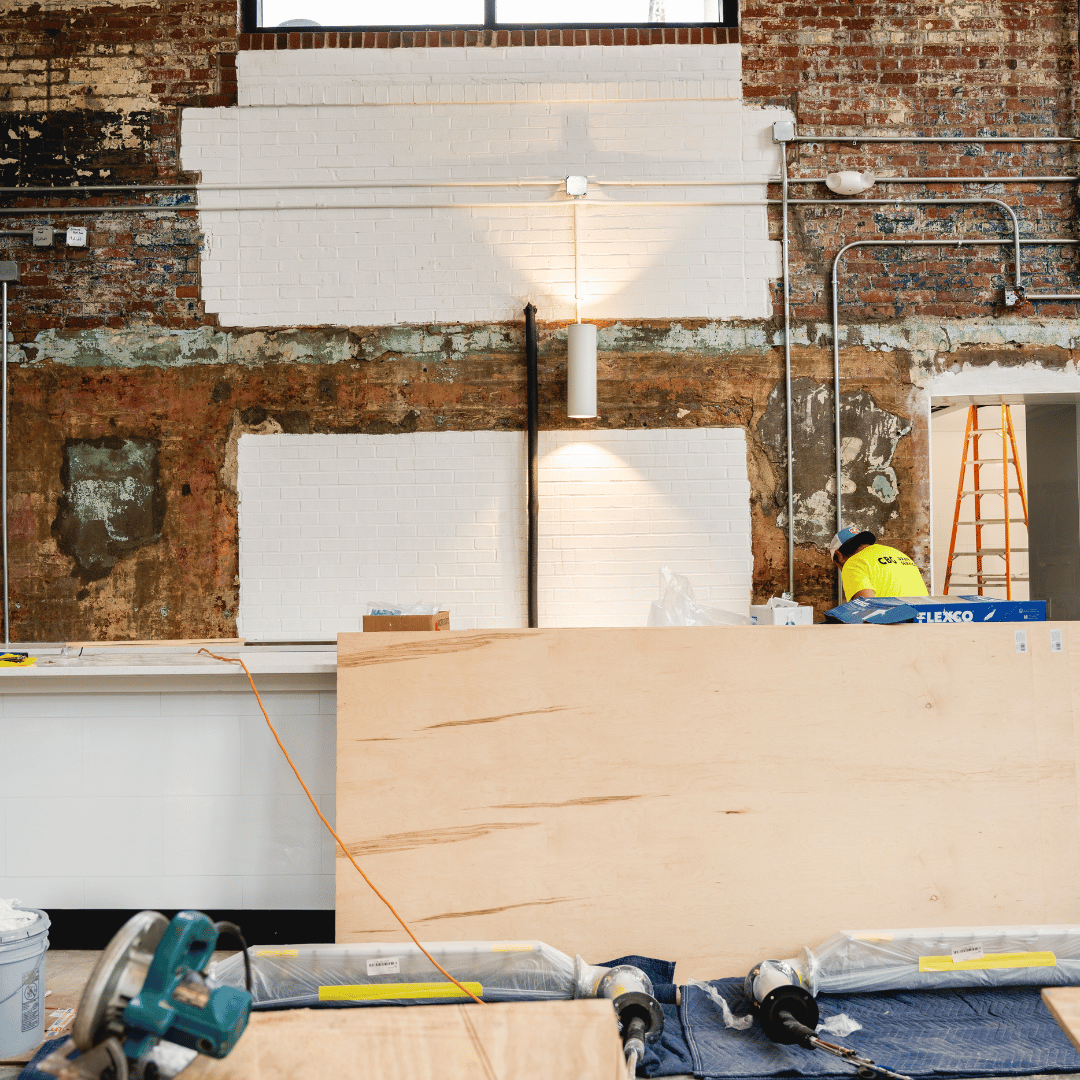
That usually starts with a walkthrough. The team looks at where the bar is, where the kegs will live, how far the beer has to travel, where the tower or taps will be placed, and what kind of system the space can support.
This is where the practical questions come up.
Where is the walk-in? Is the system direct draw or long draw? How many products will be poured? Is the bar adding beer only, or will the system include wine, cocktails, nitro, or other draft products? Where can lines run without creating future access issues?
A good installation starts with those answers because the layout decides the work. The distance from keg to faucet affects the beer line setup. The cooler location affects the system type. The product mix affects gas needs and hardware.
CBG’s custom draft system services are built around this planning stage, because the install has to match the actual space before anything gets mounted.
The System Gets Mapped Before It Gets Built
After the walkthrough, the installation plan starts to take shape.
This is where the team maps out the major parts of the system. That includes where the beer lines will run, where gas lines will run, where regulators will be placed, where the tower or wall taps will sit, and how the system will be accessed for cleaning and service later.
This planning matters because draft systems are not easy to change once everything is installed.
A rushed layout can create annoying problems later. Lines may be hard to reach. Parts may be difficult to service. Staff may have trouble changing kegs. Technicians may have limited access when the system needs cleaning or repair.
The goal is not just to make the system work on day one. The goal is to make sure it can be used, cleaned, and serviced without turning every small task into a bigger job.
The Right Parts Are Chosen for the Setup
Once the plan is clear, the installation team selects and prepares the parts for the system.
A draft beer setup can include beer lines, gas lines, regulators, couplers, faucets, towers, shanks, manifolds, FOBs, trunklines, glycol components, and other draft-specific hardware depending on the space.
Not every system needs the same parts.
A short direct-draw system will not be built the same way as a long-draw system. A small restaurant with a few handles does not need the same setup as a high-volume bar. A brewery taproom may need different planning than a hotel bar or event space.
Operators searching for how to install draft beer system often see parts lists first, but the parts only make sense after the system is planned. The equipment has to match the space, the tap count, the product mix, and the way the bar will use it.
If the company is only selling parts and not explaining why those parts fit the system, that is a problem.
Beer Lines, Gas Lines, and Hardware Are Installed
The physical installation is where the system starts coming together.
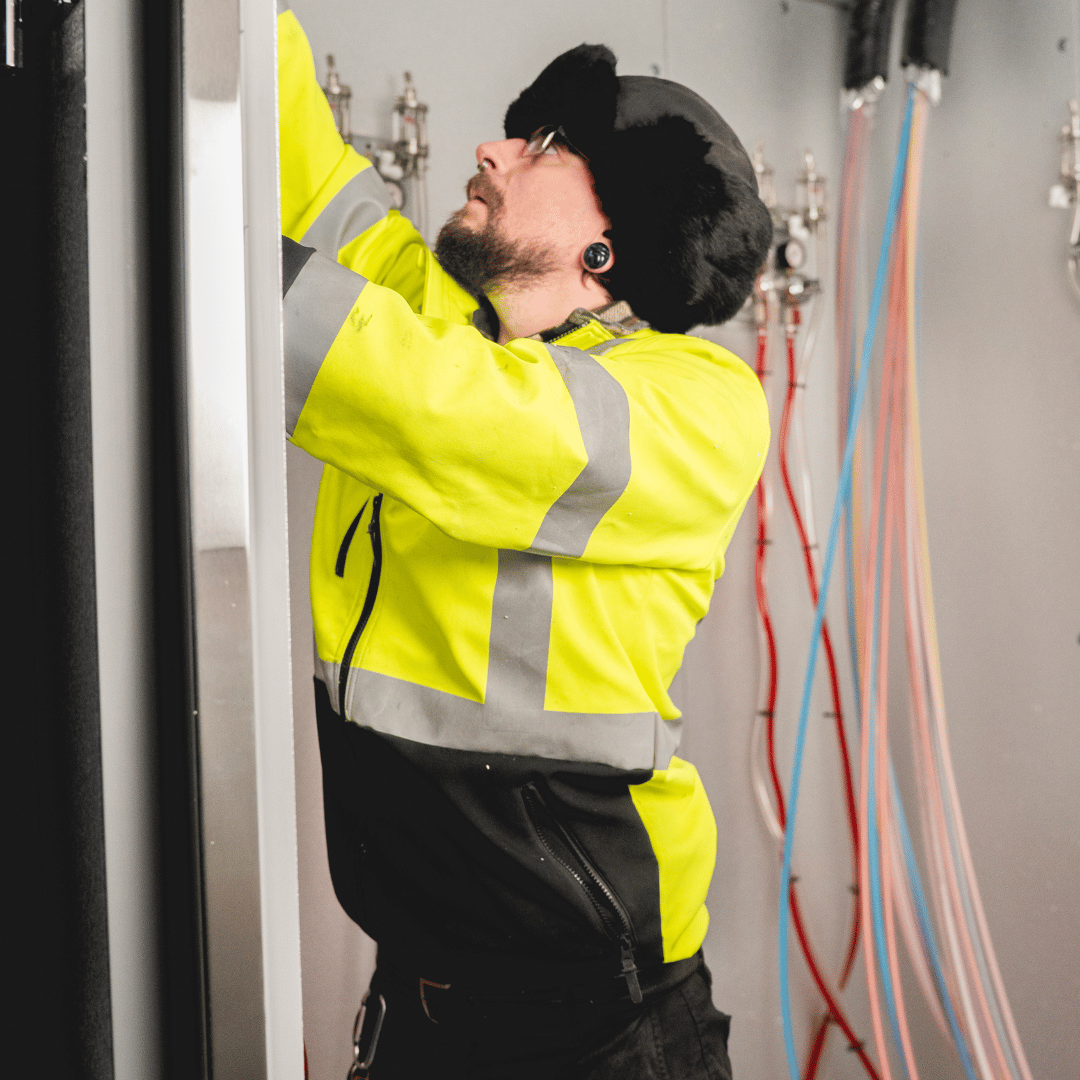
Beer lines are run from the keg storage area to the tap location. Gas lines are installed to move CO2 or blended gas to the products being served. Towers, faucets, shanks, regulators, couplers, and other hardware are mounted and connected.
For a direct-draw system, the keg is usually close to the faucet. For a long-draw system, beer may travel farther through insulated trunklines and may require glycol cooling to maintain proper serving temperature.
That is why the earlier planning matters so much.
The install team needs to route lines cleanly, protect them properly, and leave the system accessible for future service. A draft system that is hard to reach is harder to clean, harder to adjust, and harder to repair.
The Brewers Association Draught Beer Quality Manual is a helpful industry resource for understanding the components and standards behind proper draft beer dispensing.
Cooling and Gas Are Connected to the System
Draft beer installation also includes making sure the system is connected to the right cooling and gas setup.
For some spaces, that may be as simple as a direct-draw cooler. For others, it may include glycol lines, a power pack, trunkline cooling, or coordination with walk-in refrigeration.
The install team also connects the gas side of the system. That includes regulators, gas lines, manifolds, and couplers, depending on the setup.
This is not the same as troubleshooting refrigeration or repairing a system after the fact. In an installation, the point is to connect the system properly so the beer can move from keg to tap under the right conditions.
If the space needs cooling equipment support as part of the buildout, CBG also provides refrigeration services for walk-ins, glycol systems, reach-ins, and other equipment connected to draft performance.
The System Gets Tested Before Service
A draft beer installation is not finished when the last faucet is mounted.
The system has to be tested.
That means checking connections, looking for leaks, confirming gas flow, checking pressure, running product or water through the lines, and making sure each tap pours the way it should before the system is turned over to the operator.
This step matters because it catches issues before staff are trying to serve customers.
A professional installation should not leave the bar guessing whether the system works. The team should confirm that the beer is moving correctly, the gas is connected properly, the faucets are functioning, and the system is ready for service.
If something is off, it should be addressed before opening day or before the new taps go live.
Staff Should Know the Basics Before the Install Is Done
Once the system is installed and tested, the operator or staff should understand the basics.
That does not mean turning bartenders into technicians. It means showing the team how the system is set up, where important components are, how to change kegs correctly, what to watch for, and when to call for service.
A good installer should leave the operator with enough working knowledge to use the system confidently.
Staff should know where regulators are located, how couplers connect, where the gas supply is, and what issues should not be ignored. They should also know who to call if a tap is not pouring correctly or if something changes after the system goes live.
That handoff is part of the job.
Installation Should Set Up the System for Future Service
A good draft beer installation should make future service easier.
Lines will need to be cleaned. Faucets and couplers will need attention. Parts will wear down. Tap lists may change. The system may need adjustments as the business grows.
That is why the installation should be built with access in mind.
CBG’s maintenance and repair services support systems after installation with line replacement, rescue cleans, glycol checks, troubleshooting, and repair work when the system needs attention.
The best installations are not just clean on day one. They are built so the system can keep working after the first few weeks, the first busy season, and the first round of menu changes.
When to Search for Draft Beer Installation Near Me
Operators usually search for draft beer installation near me when they are opening a new bar, adding taps, expanding a restaurant, reworking an older system, or bringing draft into a space for the first time.
That is the right time to bring in a professional.
A draft beer system touches too many parts of the business to treat it like a simple hardware job. It affects the buildout, the cooler, the bar layout, the staff workflow, and the way customers experience the product.
Professional installation helps make sure the system is planned, installed, tested, and ready before service starts.
Get the Draft Beer Installation Done Right the First Time
If you are planning a new draft system, adding handles, or reworking an existing setup, CBG Draft Services can help with the full draft beer installation process, from walkthrough and system planning to installation, testing, and ongoing service.
Contact CBG Draft Services to schedule a draft system walkthrough before the buildout gets too far ahead of the beer.