May 19, 2026
When Something's Off at the Tap: A Practical Guide to Draft Beer Repair
A broken draft system costs you every hour it runs wrong. Learn the most common draft beer repair issues + causes.
When Something's Off at the Tap: A Practical Guide to Draft Beer Repair
A broken draft system doesn't wait for a convenient time. Every keg that won't pour, every pint that's 60% foam, every faucet leaking warm beer into the drip tray is revenue walking out the door.
A draft system that's not performing is costing you money in real time. Wasted product, inconsistent pours, unhappy bartenders, and customers who notice the difference — draft beer repair is not a problem you schedule around. It's something you deal with now. Whether you're running a high-volume sports bar, a craft taproom, or a restaurant with a small house draft program, knowing what breaks, why it breaks, and when to call a professional saves you time, money, and a lot of headaches.
This guide covers the most common failure points in a draft beer system, how to read the warning signs early, and how to make smart repair decisions before a manageable issue turns into an expensive one.
Why Draft Beer Systems Fail More Often Than They Should
Most draft system failures are not random. They follow predictable patterns tied to maintenance gaps, age, improper installation, or operating conditions that push equipment past its limits. A system that isn't cleaned regularly, a cooler that's never had its coils serviced, or a gas regulator that's been set and forgotten for three years — these are setups for failure.
Understanding the root cause matters because it changes how you approach the repair. Treating a symptom without fixing the underlying issue means the same call comes back in two months. The best draft beer repair isn't just fixing what broke. It's figuring out why it broke.
The Most Common Draft Beer Repair Issues
Excessive Foam at the Tap
Foam is the most visible, and most commonly misdiagnosed, draft beer problem. Operators often jump to CO2 pressure first, but temperature is usually the real culprit. When beer warms between the keg and the faucet, dissolved gas escapes and you get head instead of beer.
If your lines are clean, your gas is balanced, and foam is still a persistent issue, look at the refrigeration side. A struggling glycol chiller, degraded glycol solution, or a walk-in coolerthat's losing ground on temperature will show up at the faucet before anywhere else. For a deeper breakdown of what causes foam, the Brewers Association Draft Beer Quality Manual is the industry standard reference.
Temperature Failures in Walk-In Coolers and Glycol Systems
Temperature problems are quiet until they aren't. A walk-in cooler running two degrees warm might not trigger an alarm, but it will affect your beer quality, accelerate evaporator wear, and eventually fail at the worst possible time. Common causes include dirty condenser coils, low refrigerant, failing door gaskets, and blocked drain lines.
Glycol systems add another layer of variables. If your chiller is undersized for your draw volume, the glycol concentration is off, or the pump is losing efficiency, your trunk lines won't hold temperature through a busy service period. That's a refrigeration issue, not a CO2 issue, and the distinction matters a lot when you're diagnosing the problem.
CO2 and Mixed Gas Problems
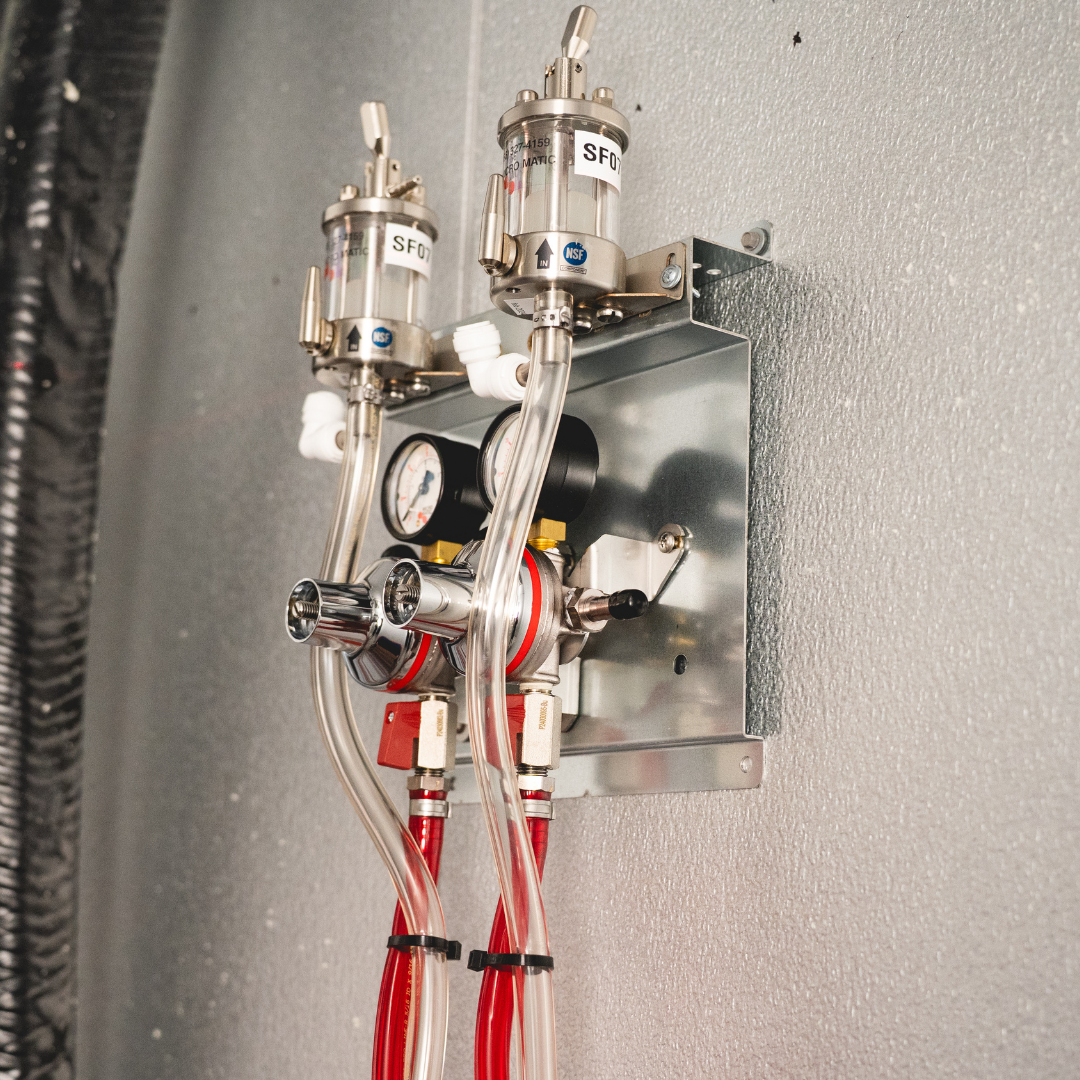
Gas system failures show up in several ways. Over-carbonated pours, flat beer, inconsistent pressure across different taps, and regulators that won't hold set pressure are all signs the gas side needs attention. Regulator diaphragms wear out, secondary regulators drift, and check valves fail over time.
If you're running a mixed gas system for high-gravity or nitro beers, the margin for error is smaller. A blend that's even slightly off will affect carbonation and mouthfeel. Gas system problems are worth diagnosing carefully before you start manually adjusting pressures.
Faucet and Coupler Issues
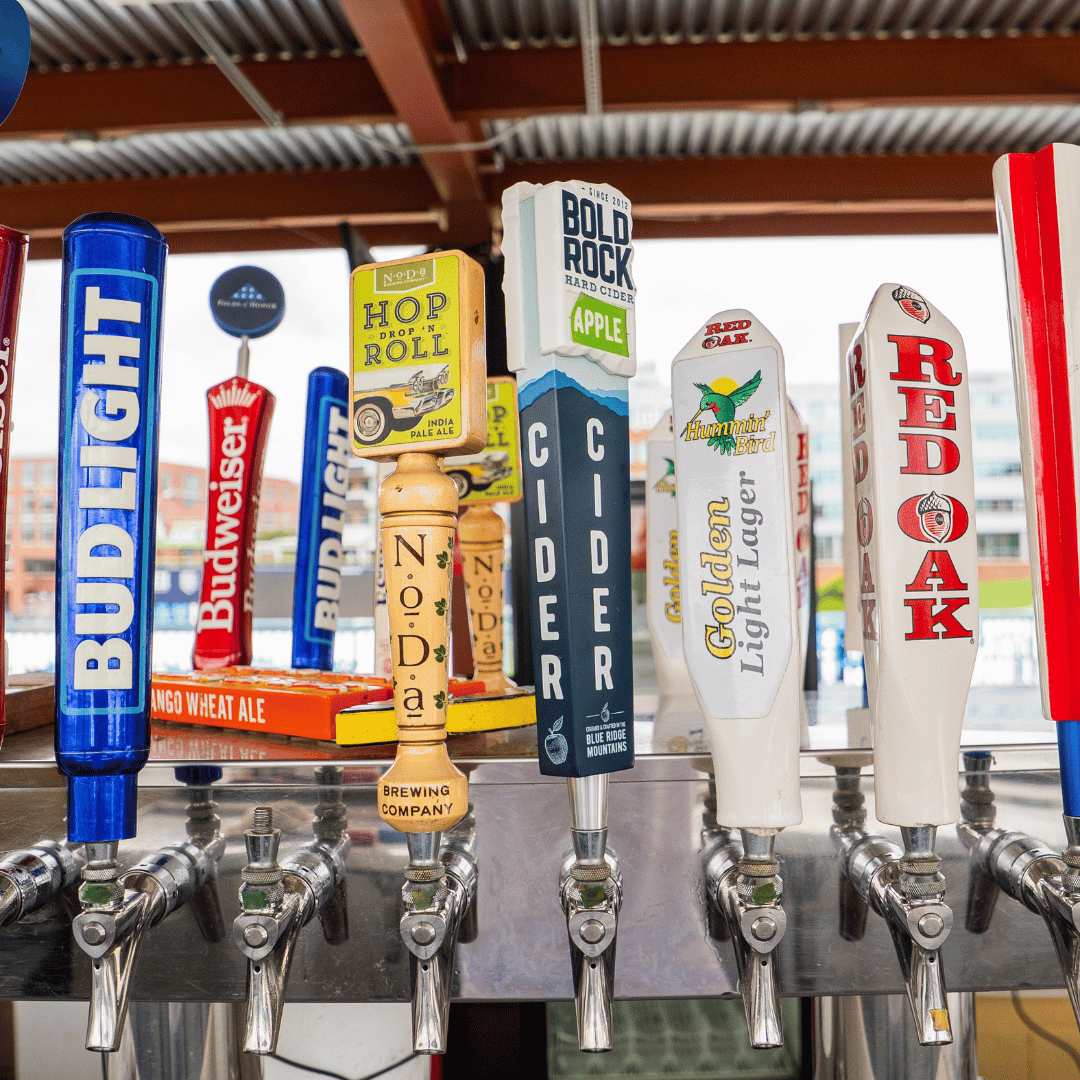
Faucets and couplers are high-contact components that take constant wear. A faucet that drips between pours, sticks on opening, or produces a wild pour despite correct pressure is telling you the internal parts are worn. Faucet rebuild kits solve most of this, but a faucet that's been neglected long enough may need full replacement.
Couplers can fail in less obvious ways. A coupler that isn't seating fully will cause gas leaks, pressure loss, and inconsistent carbonation in the keg. Seals and o-rings should be part of your regular maintenance routine, not something you check after a problem appears.
Beer Line Degradation and Leaks
Beer lines don't last forever. Vinyl tubing becomes permeable over time, which means CO2 escapes through the line wall and oxygen can work its way in. Both conditions affect beer quality and carbonation consistency. If your lines are more than a few years old and you're seeing unexplained carbonation or flavor issues, line replacement may be part of the repair.
Leaks anywhere in the system — at fittings, couplers, faucet shanks, or trunk line connections — waste gas, create pressure instability, and contribute to inconsistent pours. A leak that seems minor often signals a fitting or seal that's close to failing completely. A professional line cleaning and inspection can catch these before they become failures.
Draft Beer System Repair Near Me: What to Look for in a Service Provider
When you're searching for draft beer repair near me or draft beer system repair near me, the results matter. Not every refrigeration contractor understands draft systems, and not every draft tech understands commercial refrigeration. A professional who handles both sides — gas systems, refrigeration, line quality — gives you a single point of contact and a complete picture of what's actually happening.
Ask any service provider the right questions before they start work. How long have they been servicing commercial draft systems? Do they handle glycol chillers and walk-in coolersin addition to the dispense side? Do they offer ongoing maintenance agreements or only break-fix calls? A provider who only shows up when something is broken isn't helping you prevent the next failure. See where CBG Draft Services operates across North and South Carolina.
Repair vs. Replace: How to Make the Right Call
Not every draft beer repair is worth making. At some point, a component that has failed multiple times, reached the end of its service life, or requires more in labor and parts than its replacement cost is better swapped out than repaired again.
A compressor that's failed twice in two years on a walk-in cooler that's also overdue for other work may be better addressed with a full refrigeration replacement. A faucet that keeps needing rebuilds after years of heavy use probably costs less to replace than to keep servicing. A good technician will give you that honest assessment rather than just billing for another repair visit.
On the flip side, systems that are fundamentally sound but haven't been maintained properly are often excellent repair candidates. A glycol chiller that's never had a fluid flush, a condenser caked in grease and debris, or a regulator that just needs a rebuild — these are maintenance-deferred problems, not end-of-life equipment. The repair is worth making, and the follow-through is building a maintenance schedule so it doesn't happen again.
How to Cut Down on Emergency Repair Calls
The single most effective thing you can do to reduce draft beer repair costs is commit to a consistent maintenance schedule. That means regular line cleaning on a two-week cycle, scheduled refrigeration inspections at least twice a year, routine condenser coil cleaning, glycol concentration checks, and periodic faucet and coupler service.
Most of the failures described in this guide are preventable with routine attention. A clogged condenser doesn't clog overnight. A failing door gasket shows signs before it stops sealing completely. Catching these issues during scheduled maintenance costs a fraction of what you'll spend addressing them after a failure.
Emergency repair calls are expensive, disruptive, and largely avoidable. Building a relationship with a service provider who knows your system and can flag issues before they become failures is one of the better operational investments a bar or restaurant can make. The Master Brewers Association also publishes guidance on draft system maintenance intervals worth keeping on hand.